




Skip To Content
Choose another country or region to see content specific to your location. Thank you!

VNS Therapy™ treatment in adult patients

The VNS Therapy™ System is indicated for use as an adjunctive therapy in reducing the frequency of seizures in patients whose epileptic disorder is dominated by partial seizures (with or without secondary generalisation) or generalised seizures that are refractory to seizure medications.1

VNS Therapy™ treatment in adult patients

Studies have shown that VNS Therapy™ is an effective treatment option

No “honeymoon effect” with VNS Therapy™ 2
Change from baseline in total number of seizures per week was significantly greater with VNS Therapy + BMP vs BMP only (p=0.03)
   Change from baseline in total number of seizures per week was significantly greater with VNS Therapy™ + Best Medical Practice (BMP) vs Best Medical Practice (BMP) only (p=0.03)  
Seizure reduction that continues to improve over time3
Seizure frequency significantly reduced from baseline at each recorded interval over 10 years (p<0.001) in patients with partial and generalized seizures
   A retrospective study that followed 65 patients (14% of the study population) that undergo 10 years of VNS Therapy™

VNS Therapy™ requires a less invasive implantation procedure than other implantable devices for DRE4

Beyond seizures, VNS Therapy™ may reduce the impact of comorbidities in patients with drug-resistant epilepsy

In DRE, comorbidities are significant contributors to a reduced quality of life

VNS Therapy™ significantly reduces Depressive Symptoms in Patients with Drug-Resistant Epilepsy

VNS Therapy™ is associated with a reduction in depressive symptoms measured on Beck Depression Inventory (BDI) and Montgomery-Asberg Depression Rating Scale (MADRS)5

Accidents and injuries reduced post-VNS Therapy™

The incidence of hospitalisations, A&E visits, fractures and head trauma were significantly reduced post-VNS Therapy™ compared to pre-VNS Therapy™ periods6

Cognition comorbidity

Improved alertness, mood and memory in DRE patients treated with VNS Therapy™ 7,8

VNS Therapy™ can help reduce hospitalisations and healthcare resource utilisation events6,9

Chart_BC_10272c_V1

CORE-VNS

The results for 3M, 6M, and 12M follow-up visits have been combined to provide a consolidated view of the results for the last 12 months, consistently with the approach for all other visits.
 
ER, emergency room.

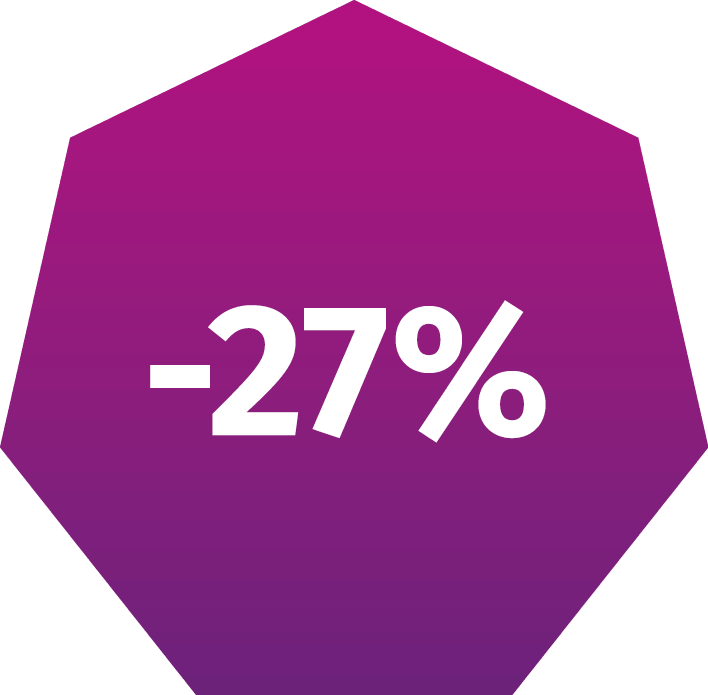
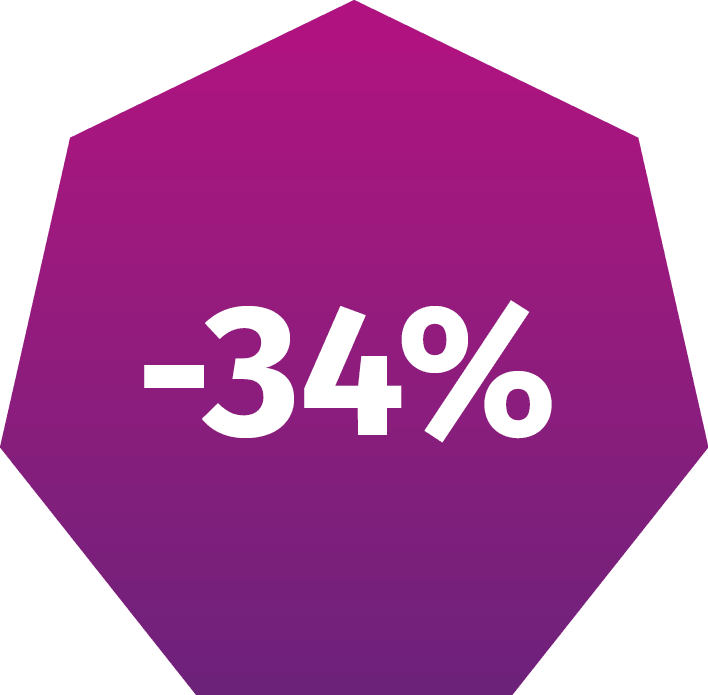
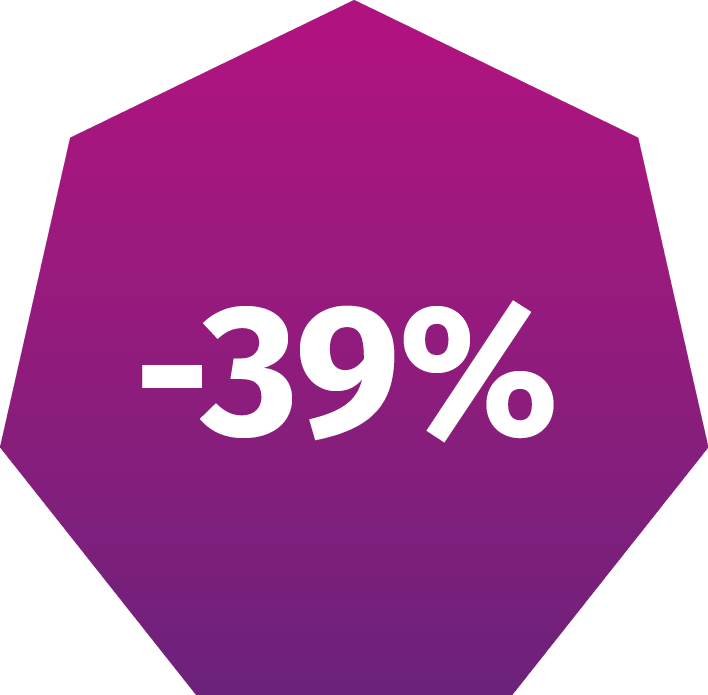
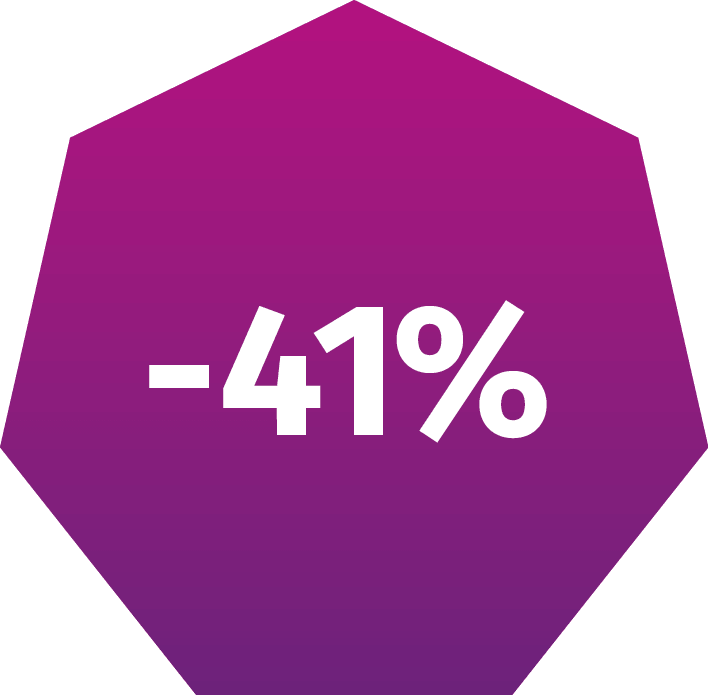
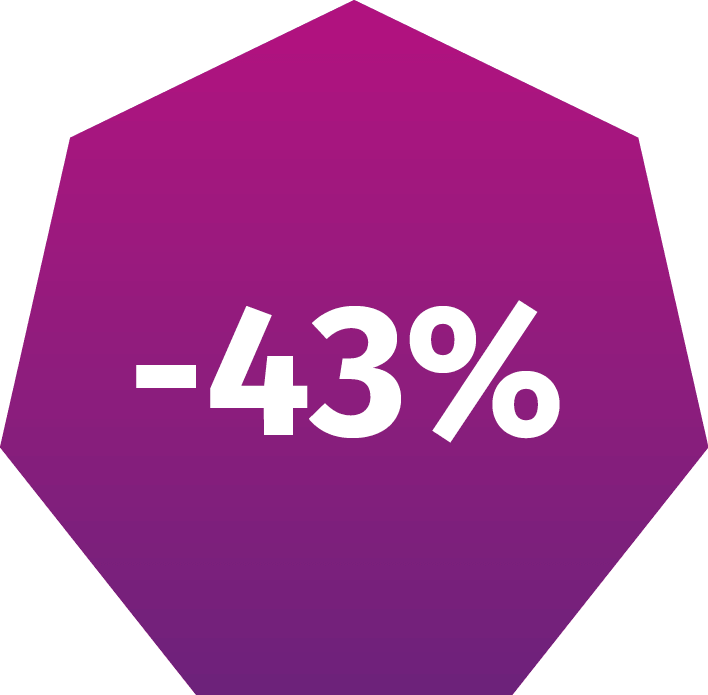
In one study, reductions were seen in6:

Head Trauma

Head Trauma

Fractures

Fractures

Emergency Room Visits

Emergency Room Visits

Hospitalisations

Hospitalisations

Number of Hospital Days

Number of Hospital Days

The study population (N=1655) consisted of patients enrolled in Medicaid, a government health insurance programme in the US. Medicaid data were obtained for 5 states: Florida, Iowa, Kansas, Missouri, and New Jersey.
Average follow-up was 30.4 months.6

Consider the comorbidities when treating DRE and how VNS Therapy™ could help to reduce the consequences of drug-resistant epilepsy for your patients.

VNS Therapy™ has proven safety and tolerability profile with side effects reducing over time4,10

Safety Profile

VNS Therapy™ has no drug interactions and does not cause drug-related toxic central nervous system side effects.11

The most common adverse events following stimulation (>5%) were voice alterations, increased coughing, pharyngitis, paresthesia, dyspnea, dyspepsia, and nausea. These side effects typically occur only during stimulation and generally become less noticeable over time for most patients.1,10,11

Infection is the most common complication of the surgical procedure. Children (<12 years of age) may have a greater risk for infection when compared to adolescent and adult patients (≥12 years).1

For more safety information click here.

Email Alerts

Subscribe to our healthcare professionals email alert service to receive the latest VNS Therapy™ related news on a variety of subjects including: upcoming webinars and events, highlights from past events, publication announcements and more.

Register


References

1. VNS Therapy™ System Epilepsy Physician’s Manual (OUS), January 2025, LivaNova, Houston, TX. 2. Ryvlin P, et al. Epilepsia. 2014;55(6):893–900. 3. Elliott RE, et al. Epilepsy Behav. 2011;20(3):478–83. 4. Elliott RE, et al. Epilepsy Behav. 2011;20(1):57–63. 5. Spindler, et al. Seizure. 2019;69:77–9. 6. Helmers SL. Epilepsy Behav. 2011;22(2):370–5. 7. Orosz I, et al. Epilepsia. 2014;55(10):1576–84. 8. Englot DJ, et al. Epilepsy Behav. 2017;66:4–9. 9. Data on File. CORE-VNS Clinical Study Report, LivaNova, USA, June 2025. 10. Ben-Menachem E. J Clin Neurophysiol. 2011;18(5):415–8. 11. VNS Therapy™ Patient's Guide for Epilepsy (OUS), January 2025, LivaNova, Houston, TX.

This website is intended for healthcare professionals in the United Kingdom. VNS Therapy™ for drug-resistant epilepsy is not available in all regions - please refer to your country-specific labelling.